When your car needs an emergency repair or a medical bill arrives unexpectedly, you need financing that’s predictable and manageable. For many working families in Boise and Nampa, installment loans provide a structured way to cover these expenses without the stress of unpredictable payments. But what exactly is an installment loan, and how do you know if it’s right for your situation?
This guide explains what installment loans are in plain language, shows you how they work with real examples, and helps you understand your options as an Idaho borrower. Whether you’re facing an unexpected expense or simply learning about different financing options, we’ll walk you through everything you need to know to make an informed decision.
What Is an Installment Loan? (Clear Definition)
According to the Consumer Financial Protection Bureau, an installment loan is a type of closed-end credit where you borrow a fixed amount of money and repay it through scheduled payments over time.1 Unlike credit cards or lines of credit, installment loans have a defined end date—once you’ve made all scheduled payments, the loan is completely paid off.
The key characteristics of installment loans include:
- Fixed loan amount: You receive a specific lump sum upfront, typically ranging from $1,000 to $50,000 or more depending on the lender and loan type
- Regular payment schedule: You repay the loan through equal installments, most commonly on a monthly basis
- Set repayment term: The loan has a predetermined end date, usually anywhere from a few months to several years
- Combined payments: Each payment typically includes both principal (the amount you borrowed) and interest (the cost of borrowing)
- Complete payoff: Once you’ve made all scheduled payments, the loan obligation ends
The Federal Reserve reports that nonrevolving consumer credit—which includes installment loans—totaled $3.77 trillion as of October 2024, representing the majority of consumer credit in the United States.2 This demonstrates how common installment loans are for financing major purchases and managing expenses.
Are Installment Loans “Closed-End” Credit?
Financial professionals classify installment loans as “closed-end” credit. This simply means you borrow a specific amount one time, repay it through scheduled payments, and the loan closes when you’ve made the final payment. This differs from “open-end” or revolving credit (like credit cards), where you have an ongoing credit line you can borrow from, repay, and borrow from again.1
Understanding this distinction helps explain why installment loans work differently than credit cards. With an installment loan, you know exactly how much you’re borrowing, what you’ll pay each month, and when the loan will be completely paid off. This predictability makes installment loans particularly useful for specific financing needs where you want a clear repayment path.
The Federal Reserve defines closed-end credit as “credit extended to consumers that is repaid on a prearranged repayment schedule and may be secured or unsecured.”2 In contrast, revolving credit allows you to borrow up to a prearranged limit and repay the debt in one or more installments, with the ability to continue borrowing as you pay down the balance.
How Do Installment Loans Work?
The Basic Process
Obtaining and repaying an installment loan typically follows these steps:
- Application: You submit information about your income, employment, and credit history. Requirements vary by lender, but most will ask for proof of income, identification, and contact information.
- Approval: The lender evaluates your ability to repay the loan based on factors like credit score, income, existing debts, and the loan amount you’re requesting. Approval timelines vary from same-day to several business days depending on the lender.
- Funding: Once approved, you receive the full loan amount as a lump sum, typically through direct deposit to your bank account, though some lenders offer checks or cash.
- Repayment: You make fixed payments on a regular schedule (usually monthly) until the loan term ends and the balance is fully repaid.
Understanding Your Payments
Each installment loan payment typically includes two components:
- Principal: The portion that reduces your loan balance—this is the actual amount you borrowed
- Interest: The cost of borrowing, calculated as a percentage of your remaining principal balance
It’s important to understand the difference between interest rate and APR (Annual Percentage Rate). The interest rate is the cost of borrowing expressed as a percentage, while the APR includes both the interest rate and any fees charged by the lender. The APR gives you a more accurate picture of the true cost of borrowing.3

How Amortization Works
Installment loans use a process called amortization, where early payments apply more money toward interest and later payments apply more toward principal. This happens because interest is calculated on your remaining balance—as that balance decreases, less interest accrues each month.
Here’s a simple example showing how a $5,000 installment loan at 12% APR for 24 months would break down:
| Payment # | Payment Amount | Principal | Interest | Remaining Balance |
|---|---|---|---|---|
| 1 | $235.37 | $185.37 | $50.00 | $4,814.63 |
| 2 | $235.37 | $187.22 | $48.15 | $4,627.41 |
| 3 | $235.37 | $189.10 | $46.27 | $4,438.31 |
| 4 | $235.37 | $190.99 | $44.38 | $4,247.32 |
| … | … | … | … | … |
| 24 | $235.37 | $233.04 | $2.33 | $0.00 |
Total Cost Summary:
- Total of 24 payments: $5,648.88
- Total interest paid: $648.88
- Original principal: $5,000.00
Notice how the first payment applies $185.37 toward principal and $50.00 toward interest, while the final payment applies $233.04 toward principal and only $2.33 toward interest. Understanding how your payments break down helps you see the true cost of borrowing and why paying extra toward principal can save money on interest charges.
Common Types of Installment Loans
Personal Installment Loans
Personal installment loans can be either secured (backed by collateral) or unsecured (based on creditworthiness alone). These loans typically range from $1,000 to $100,000 with repayment terms of 12 to 84 months. Common uses include debt consolidation, home improvements, major purchases, and emergency expenses.
Personal loans often base approval on factors like credit score, income, debt-to-income ratio, and employment history. Interest rates vary widely based on these qualifications, typically ranging from 6% to 36% or higher depending on the lender and borrower profile.4
Auto Loans
Auto loans are secured installment loans where the vehicle being purchased serves as collateral. These loans typically have terms of 36 to 72 months and generally offer lower interest rates than unsecured personal loans because the lender can repossess the vehicle if payments aren’t made.
The Federal Reserve reports that the average interest rate for new car loans with 60-month terms was 7.64% as of November 2024, though rates vary based on credit qualifications.2
Title Loans
Title loans are secured by a clear vehicle title, meaning the borrower already owns the vehicle free and clear. Unlike auto loans used to purchase vehicles, title loans allow borrowers to access cash using their vehicle’s equity while continuing to drive the car. Terms are typically shorter than traditional auto loans, ranging from 12 to 36 months.
Title loans may have more flexible credit requirements than unsecured personal loans because the vehicle serves as collateral. They’re often used for emergency cash needs by borrowers who may have challenged credit but own a vehicle outright. Learn more about title loans in Boise or what title loans are in our companion guide.
Mortgages
Mortgages are large, long-term installment loans secured by real estate. These loans typically have repayment terms of 15 to 30 years and represent the largest installment loan amounts most consumers will ever borrow. Mortgages are best suited for home purchases and major real estate investments.
Student Loans
Student loans can be federal (backed by the government) or private (from banks and other lenders). Terms vary widely, with federal loans offering benefits like income-driven repayment plans and potential forgiveness programs. These loans are specifically designed to cover educational expenses including tuition, books, and living costs while attending school.
Other Installment Loan Types
Additional installment loan options include:
- Home equity loans: Secured by real estate equity, used for major expenses or renovations
- Medical financing: Often offered directly by healthcare providers to cover treatment costs
- Buy-now-pay-later plans: Point-of-sale financing that may be structured as installment loans, though credit reporting and terms vary widely by provider
- Retail installment contracts: Financing for furniture, appliances, or electronics purchased through specific retailers
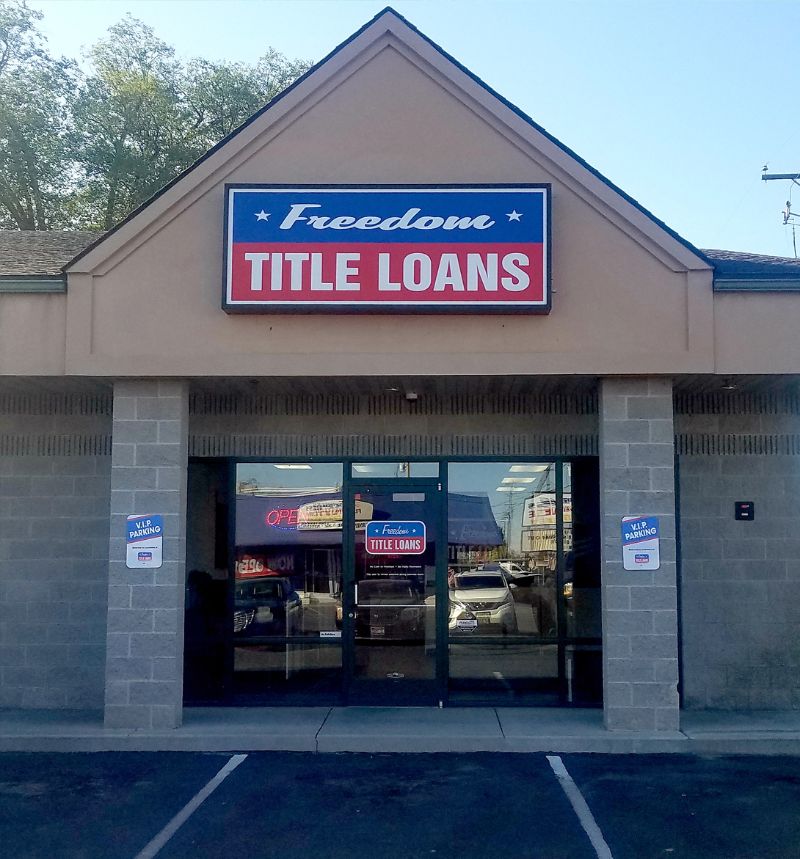
Freedom Title Loans specializes in personal installment loans and title loans, serving the financing needs of working families in Boise and Nampa. Explore installment loan options in Idaho to learn more about our programs.

When Idaho Families Use Installment Loans
Understanding how real families use installment loans helps demonstrate when this financing option makes sense. Here are common scenarios we see in our Boise and Nampa communities:
Emergency Car Repair
A working parent’s transmission fails unexpectedly, requiring a $2,500 repair. Without a functioning vehicle, they can’t get to work or take their children to school. An installment loan provides the funds immediately while spreading the cost into manageable monthly payments of approximately $121 over 24 months (at typical rates). This keeps the family mobile without depleting emergency savings that might be needed for other unexpected expenses.
Medical Bill Financing
After an emergency room visit, a Boise family faces a $5,000 balance even after insurance. Rather than letting the bill go to collections and damage their credit, they use an installment loan to pay the medical provider in full. The structured payoff timeline over 24 to 36 months makes the expense manageable, and the interest rate is typically lower than credit card rates.
According to Gallup research, approximately 12% of U.S. adults borrowed money for healthcare in the past year, representing roughly $74 billion borrowed for medical bills in 2024.5
Essential Home Repair
An Idaho family’s furnace fails mid-winter, requiring an immediate $4,500 replacement. This isn’t an expense that can wait, especially in Boise’s cold winters. An installment loan covers the essential repair immediately, with a 36-month repayment term that makes the monthly payment affordable for the household budget. The predictable payment structure is often more favorable than contractor financing arrangements.
Debt Consolidation
A working family carries $6,000 across three credit cards at an average interest rate of 23%. By taking a personal installment loan at 12% APR, they can pay off all three cards and replace multiple payments with one predictable monthly installment. This simplifies budgeting, reduces the total interest paid, and provides a clear path to becoming debt-free.
These scenarios represent real situations facing working families throughout the Treasure Valley. Installment loans provide structure and predictability when managing unexpected expenses or consolidating existing debts. The key is borrowing only what you genuinely need and ensuring the monthly payment fits comfortably in your budget.
If you’re facing a similar situation, explore your options to see if an installment loan is right for you, or learn about emergency loan solutions available in Boise.
Installment Loans vs. Other Financing Options
Understanding how installment loans differ from other credit products helps you choose the right financing for your needs. Here’s how installment loans compare to common alternatives.
Installment Loans vs. Revolving Credit (Credit Cards)
| Feature | Installment Loans | Revolving Credit |
|---|---|---|
| Credit Type | Closed-end | Open-end |
| Access to Funds | One-time lump sum | Ongoing up to credit limit |
| Repayment Structure | Fixed monthly payments | Flexible (minimum to full) |
| Term Length | Set end date (12-84 months typical) | No predetermined end |
| Interest Rate | Usually fixed, often lower | Usually variable, often higher |
| Reusability | Cannot borrow more once paid | Credit replenishes as paid |
| Credit Utilization Impact | Does NOT affect utilization ratio | Directly affects utilization (30% of score) |
| Examples | Personal loans, auto loans, mortgages | Credit cards, HELOCs, lines of credit |
| Best For | Large one-time purchases, debt consolidation | Ongoing/variable expenses, flexibility |
Credit cards provide ongoing flexibility but can trap borrowers in long-term debt if only minimum payments are made. According to Experian, installment loans offer payment predictability that helps with budgeting, while revolving credit allows you to borrow repeatedly up to your credit limit.6
An important distinction: revolving credit balances directly affect your credit utilization ratio, which accounts for approximately 30% of your FICO credit score. High credit card balances can significantly hurt your credit score. Installment loan balances don’t count toward utilization in the same way, though payment history on both types of credit remains crucial.6
Learn more about the specific differences in our detailed guide to installment loans vs. revolving credit.
Installment Loans vs. Payday Loans
| Feature | Installment Loans | Payday Loans |
|---|---|---|
| Typical APR | 6%-36% (avg ~12%) | Often 300%-500% or higher |
| Loan Amount | $1,000-$100,000+ | $100-$500 typical |
| Term Length | 12-84 months | 2-4 weeks |
| Payment Size | ~5% of monthly income | ~36% of paycheck |
| Credit Check | Yes, typically required | Generally no |
| Credit Reporting | Yes, to major bureaus | Generally NO |
| Can Build Credit | Yes, with on-time payments | No |
| Rollover Rate | N/A (structured payments) | 80%+ are rolled over |
Payday loans often carry significantly higher costs than installment loans. According to the Consumer Financial Protection Bureau, a typical two-week payday loan with a $15 per $100 fee equates to an annual percentage rate of almost 400%.7 Research from the Pew Charitable Trusts indicates that payday loans typically carry APRs averaging 391%.8
The repayment structure creates another significant difference. Payday loans typically require a lump-sum repayment—often the entire loan amount plus fees—within two to four weeks. This represents approximately 36% of an average borrower’s paycheck, making repayment difficult and leading to repeated refinancing. In contrast, installment loans spread payments over months or years, making each individual payment more manageable.8
Another key consideration: installment loans report to major credit bureaus, meaning on-time payments help build positive credit history. Payday loans typically don’t report to credit bureaus unless the loan goes into default, providing no opportunity to build credit through responsible repayment.
For a comprehensive comparison of these two financing types, read our detailed analysis of payday loans vs. installment loans.
Installment Loans vs. Title Loans
| Feature | Unsecured Personal Loans | Title Loans |
|---|---|---|
| Collateral | None required | Vehicle title required |
| Typical Terms | 12-84 months | 12-36 months typical |
| Approval Requirements | Credit check, income verification | Clear title, minimal credit check |
| Vehicle Possession | N/A | Borrower keeps vehicle |
| Credit Reporting | Yes | Varies by lender |
| Best For | Various personal needs, stronger credit | Emergency cash, credit-challenged borrowers |
Both installment loans and title loans can offer predictable payment structures. The key difference lies in collateral requirements and approval criteria. Unsecured personal installment loans typically require credit checks and income verification, while title loans use vehicle equity for approval and may have more flexible credit requirements.
For borrowers with challenged credit who own a vehicle outright, title loans may provide faster access to funds. For borrowers with stronger credit profiles, unsecured personal installment loans may offer more favorable terms without putting an asset at risk.
Freedom Title Loans offers both installment and title loan options because we understand that different financial situations call for different solutions. Each product type serves specific borrower needs, and our team helps Boise and Nampa families determine which approach fits their circumstances. Explore Boise title loans or Nampa title loans to learn more about secured financing options.

Advantages of Installment Loans
Installment loans offer several benefits that make them useful tools for managing expenses:
- Predictable Payments: Fixed monthly amounts make budgeting easier and reduce uncertainty about what you’ll owe each month
- Credit Building: On-time payments reported to credit bureaus help establish positive payment history, which is the most important factor in credit scoring6
- Larger Loan Amounts: Installment loans typically offer higher borrowing limits than payday loans, making them suitable for more substantial expenses
- Fixed Interest Rates: Many installment loans have fixed rates that don’t change during the loan term, protecting you from rate increases
- Clear Payoff Timeline: You know exactly when the loan will be paid off, providing a definite end date to your obligation
- Flexible Terms: You can often choose a repayment period that balances monthly affordability with total interest cost
- Varied Use Cases: Personal installment loans can typically be used for multiple purposes, giving you flexibility in addressing different financial needs
Important Considerations
Like any financial product, installment loans work best when used responsibly. Here are key factors to consider:
- Total Interest Cost: While longer terms create lower monthly payments, they also mean paying more total interest over the life of the loan
- Early Payoff Policies: Some lenders charge prepayment penalties while others allow early payoff without penalty. Review your loan agreement to understand your lender’s policy
- Late Payment Consequences: Missing payments can result in late fees, credit score damage, and potential default, which can lead to collections
- Impact of Missed Payments: Payment history accounts for approximately 35% of your FICO credit score. Even one late payment (30+ days past due) can significantly damage your credit6
- Associated Fees: Be aware of potential origination fees, late payment fees, and returned payment fees that vary by lender
- Borrowing Responsibly: Only borrow what you genuinely need and can afford to repay. Taking on excessive debt creates financial stress and increases default risk
The Federal Trade Commission advises borrowers to shop around, compare costs, and understand all terms before committing to any loan.9 Understanding both the benefits and potential risks helps you make an informed decision about whether an installment loan is right for your situation.
Review our frequently asked questions for more information about installment loan requirements and costs.
Getting Approved for an Installment Loan
Typical Requirements
Most installment loan lenders evaluate several factors when considering applications:
- Proof of Income: Pay stubs, bank statements, benefit award letters, or tax returns demonstrating your ability to repay. Many lenders accept various income sources including employment wages, disability benefits, retirement income, and unemployment benefits
- Identity Verification: Government-issued identification such as a driver’s license, state ID, or passport
- Contact Information: Current phone number, email address, and physical address
- Bank Account: An active checking or savings account for fund deposit and payment processing
- Credit Review: Credit check requirements vary significantly by lender. Some perform comprehensive credit checks, while others use alternative data or focus primarily on income and employment. Secured loans like title loans may have minimal credit requirements
For Vehicle-Secured Loans (Title Loans)
Additional requirements for title loans typically include:
- Clear vehicle title in the borrower’s name (lien-free)
- Vehicle information including year, make, model, mileage, and condition
- Proof of vehicle insurance (requirements vary by state and lender)
- Vehicle inspection or appraisal (may be required to determine loan amount)
Improving Your Approval Odds
Consider these tips when applying for an installment loan:
- Gather all required documentation before applying to speed the approval process
- Understand your budget and only request amounts you can realistically afford to repay
- Consider secured loan options if you have challenged credit and own valuable assets
- Review multiple lender options and compare terms, rates, and fees
- Ask questions about prepayment policies, late payment fees, and total borrowing costs
- Work with local Idaho lenders who understand your market and community
Freedom Title Loans works with Boise and Nampa families in various financial situations. We evaluate multiple factors beyond just credit scores and accept various income sources. Our team takes time to understand your situation and find solutions that work for your budget.
Ready to explore your options? Start an application or contact us with questions. You can also learn about bad credit loan options available in Boise.
Installment Loans in Idaho: What Boise and Nampa Borrowers Should Know
Consumer Credit Framework in Idaho
The Idaho Department of Finance regulates consumer lending in the state, including installment loans and title loans. Licensed lenders must comply with state disclosure and licensing requirements designed to protect borrowers. Idaho law provides certain consumer protections, though specific regulations vary by loan type.10
Verifying Lenders and Understanding Your Rights
As an Idaho borrower, you can take these steps to protect yourself:
1. Verify Lender Licensing
Confirm your lender is properly licensed through the Idaho Department of Finance. Licensed lenders must follow state disclosure requirements and maintain proper documentation. You can verify licensing status at the Idaho Department of Finance license search portal.
2. Understand Your Loan Agreement
Take time to read all terms, fees, and repayment conditions before signing any loan documents. Ask questions about anything that’s unclear—reputable lenders will explain all terms clearly. Confirm early payoff policies, late payment fees, and the total cost of borrowing including all interest and fees.
3. Know How to File a Complaint
If you experience issues with a lender, the Idaho Department of Finance handles consumer complaints. You can file complaints online through their consumer protection portal or by calling (208) 332-8000 or toll-free at 1-888-346-3378. Include all relevant documentation such as loan agreements, payment records, and communications with the lender.
Idaho Consumer Resources
These resources provide information and assistance for Idaho borrowers:
- Idaho Department of Finance – Consumer Credit Information
Website: https://www.finance.idaho.gov/consumer-finance-bureau/consumer-credit/
Provides consumer education, licensing verification, and complaint procedures - Idaho Department of Finance – Consumer Education
Website: https://www.finance.idaho.gov/consumer-education/
Educational materials about borrower rights and financial products - Idaho Legal Aid Services
Website: https://idaholegalaid.org/
Provides legal assistance and financial counseling referrals for eligible Idaho residents
Freedom Title Loans is licensed to operate in Idaho and maintains locations in Boise and Nampa. We’re committed to transparent lending practices and helping our neighbors in the Treasure Valley understand their financing options. Visit our locations or contact us with any questions about our installment loan and title loan programs.
For complete details about our products and requirements, see our consumer disclosures and review our frequently asked questions.
Installment Loan FAQs
What is an example of an installment loan?
Common examples include auto loans, mortgages, personal loans, student loans, and some title loans. Each involves borrowing a specific amount and repaying through scheduled installments over a set term. For instance, if you take out a $5,000 personal loan to cover medical expenses and repay it over 24 months with fixed monthly payments of approximately $235, that’s an installment loan. Other everyday examples include financing a vehicle purchase over 60 months or taking out a 30-year mortgage to buy a home.
How do installment loans work?
You receive a lump sum upfront and agree to repay it through fixed periodic payments (usually monthly) over a predetermined term. Each payment typically includes both principal (the amount you borrowed) and interest (the cost of borrowing). The lender calculates your payment amount based on the loan amount, interest rate, and term length. Once you’ve made all scheduled payments, the loan is completely paid off and your obligation ends.
Does an installment loan hurt your credit?
The loan itself doesn’t hurt your credit—in fact, making on-time payments can help build positive credit history. However, when you apply, the lender performs a hard inquiry which may temporarily lower your score by a few points (typically 5-10 points). This impact is usually minor and short-lived. More importantly, missed or late payments on an installment loan can significantly damage your credit score, as payment history accounts for approximately 35% of your FICO score.6 According to Experian, installment loans can actually help improve your credit score over time when you make consistent on-time payments.11
What is the difference between an installment loan and revolving credit?
Installment loans provide a one-time lump sum that you repay through fixed payments until the loan is paid off. Revolving credit (like credit cards) provides an ongoing credit line you can borrow from, repay, and borrow from again. Installment loans are “closed-end” credit with a defined end date, while revolving credit is “open-end” with no set payoff date. Another key difference: revolving credit balances directly affect your credit utilization ratio (30% of your credit score), while installment loan balances are calculated differently. Learn more about the specific differences in our detailed guide to installment loans vs. revolving credit.
Can installment loans be paid off early?
Many installment loan agreements allow early repayment, and numerous Idaho lenders permit prepayment without penalty. However, policies vary significantly by lender and loan type. Some lenders charge prepayment penalties—either a percentage of the remaining balance, a flat fee, or several months of interest—while others don’t impose any penalties for early payoff. Always review your specific loan agreement to understand early payoff terms. In many cases, paying off an installment loan early can save you money on interest charges since you’re reducing the time period over which interest accrues.
What credit score do I need for an installment loan?
Credit score requirements vary significantly by lender, loan type, and whether the loan is secured or unsecured. Some traditional lenders require minimum scores around 600-640 for unsecured personal loans, while others work with borrowers who have lower scores or limited credit history. Secured installment loans, such as title loans in Boise or Nampa, may have more flexible credit requirements because the vehicle serves as collateral. Online lenders and alternative financial services companies may use different approval criteria, sometimes focusing more heavily on income and employment than traditional credit scores. Contact lenders directly to understand their specific qualification criteria.
What are the risks of taking an installment loan?
Key risks include taking on debt you can’t afford to repay, paying significant interest charges over the loan term (especially with longer terms), potential credit damage from missed payments, and various fees such as late payment charges or prepayment penalties (if applicable). The most important consideration is ensuring the monthly payment fits comfortably in your budget alongside your other financial obligations. According to consumer protection research from the National Consumer Law Center, borrowers should be wary of high-cost installment loans that can create debt traps similar to payday lending.12 Always borrow only what you genuinely need and can realistically afford to repay, and ensure you understand all terms before signing any loan agreement.
Is an Installment Loan Right for Your Situation?
Installment loans provide working families with a structured way to manage expenses through predictable monthly payments and clear timelines. They work best when you need a specific amount for a defined purpose—whether that’s an emergency repair, medical bill, home improvement, or debt consolidation. Understanding how installment loans differ from revolving credit, payday loans, and title loans helps you choose the financing option that truly fits your needs and budget.
At Freedom Title Loans, we’re committed to helping Boise and Nampa families understand their financing options and make informed decisions. Whether you’re considering an installment loan, title loan, or other alternative, our team is here to answer questions and guide you through the process with transparency and respect.
Explore Your Options
By Location:
- Boise residents: View installment loans in Boise or title loans in Boise
- Nampa residents: View installment loans in Nampa or title loans in Nampa
- Idaho overview: Explore all Idaho installment loan options and Idaho title loan options
Compare Financing Types:
- Read about payday loans vs. installment loans
- Learn about installment loans vs. revolving credit
- Understand what title loans are
Get Answers:
- Review common questions on our FAQs page
- Read our consumer disclosures for complete terms
- Contact us directly with specific questions
Ready to Apply?
- Start your application online or visit us at one of our Boise or Nampa locations
Remember, the best financial decision is the one you make with full information and confidence. Take time to understand your options, review terms carefully, and choose the financing solution that truly fits your needs and budget. Our team is here to help you through every step of that process.
References
- Consumer Financial Protection Bureau. What is a personal installment loan? [Internet]. Washington, DC: CFPB; 2024 [cited 2025 Dec 16]. Available from: https://www.consumerfinance.gov/ask-cfpb/what-is-a-personal-installment-loan-en-2114/
- Board of Governors of the Federal Reserve System. Consumer Credit – G.19 [Internet]. Washington, DC: Federal Reserve; 2024 [cited 2025 Dec 16]. Available from: https://www.federalreserve.gov/releases/g19/current/
- Federal Trade Commission. Shopping for a loan: what to know [Internet]. Washington, DC: FTC; 2024 [cited 2025 Dec 16]. Available from: https://consumer.ftc.gov/articles/shopping-loan
- Bankrate. Average personal loan interest rates [Internet]. New York, NY: Bankrate; 2024 [cited 2025 Dec 16]. Available from: https://www.bankrate.com/loans/personal-loans/average-personal-loan-rates/
- Gallup. Americans borrow estimated $74 billion for medical bills in 2024 [Internet]. Washington, DC: Gallup; 2024 [cited 2025 Dec 16]. Available from: https://news.gallup.com/poll/657041/americans-borrow-estimated-billion-medical-bills-2024.aspx
- Experian. What is an installment loan? [Internet]. Costa Mesa, CA: Experian; 2024 [cited 2025 Dec 16]. Available from: https://www.experian.com/blogs/ask-experian/what-is-installment-loan/
- Consumer Financial Protection Bureau. What is a payday loan? [Internet]. Washington, DC: CFPB; 2024 [cited 2025 Dec 16]. Available from: https://www.consumerfinance.gov/ask-cfpb/what-is-a-payday-loan-en-1567/
- The Pew Charitable Trusts. Payday loan facts and the CFPB’s impact [Internet]. Washington, DC: Pew Charitable Trusts; 2016 [cited 2025 Dec 16]. Available from: https://www.pew.org/en/research-and-analysis/fact-sheets/2016/01/payday-loan-facts-and-the-cfpbs-impact
- Federal Trade Commission. Shopping for a loan [Internet]. Washington, DC: FTC; 2024 [cited 2025 Dec 16]. Available from: https://consumer.ftc.gov/articles/shopping-loan
- Idaho Department of Finance. Consumer credit information [Internet]. Boise, ID: Idaho Dept. of Finance; 2024 [cited 2025 Dec 16]. Available from: https://www.finance.idaho.gov/consumer-finance-bureau/consumer-credit/
- Experian. Can an installment loan help improve your credit score? [Internet]. Costa Mesa, CA: Experian; 2024 [cited 2025 Dec 16]. Available from: https://www.experian.com/blogs/ask-experian/can-installment-loan-help-improve-credit-score/
- National Consumer Law Center. Predatory installment lending in the states: how well do the states protect consumers against high-cost installment loans? (2024) [Internet]. Boston, MA: NCLC; 2024 [cited 2025 Dec 16]. Available from: https://www.nclc.org/resources/predatory-installment-lending-in-the-states-how-well-do-the-states-protect-consumers-against-high-cost-installment-loans-2024/
